CloseSkip
Performing Hajj is one of the most profound spiritual journeys a Muslim can undertake. As the fifth pillar of Islam, Hajj is obligatory once in a lifetime for every Muslim who is physically and financially able.
If you are performing Hajj for the first time, this step-by-step guide will help you understand each ritual clearly, avoid common mistakes, and perform Hajj with confidence and peace of mind.
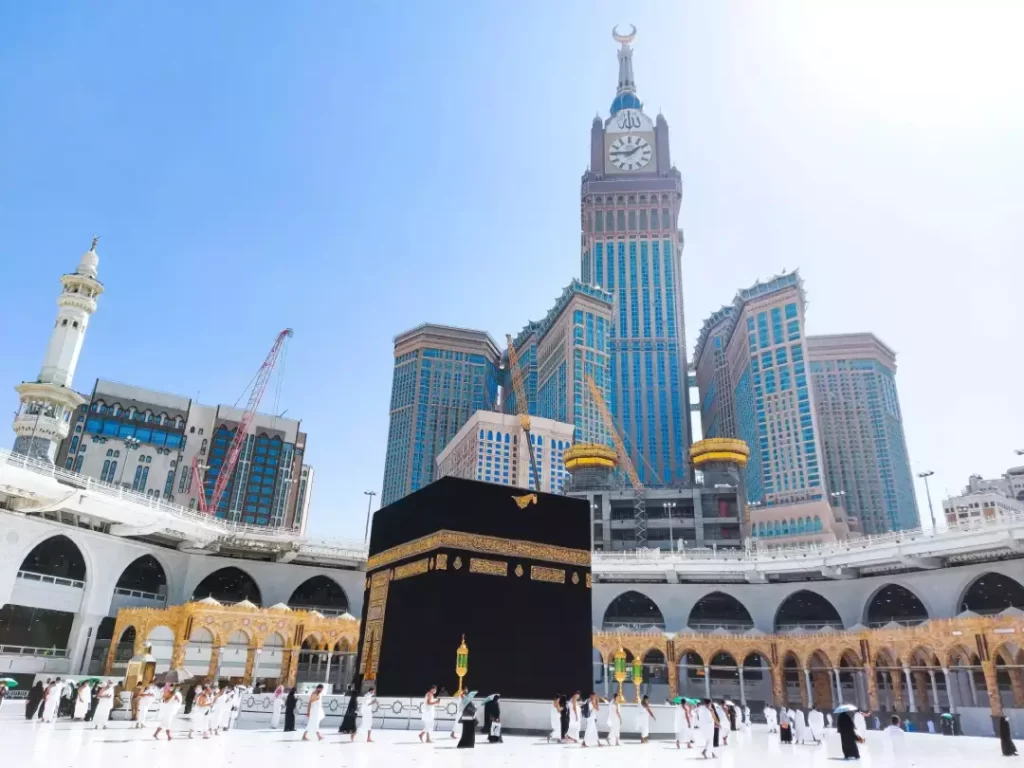
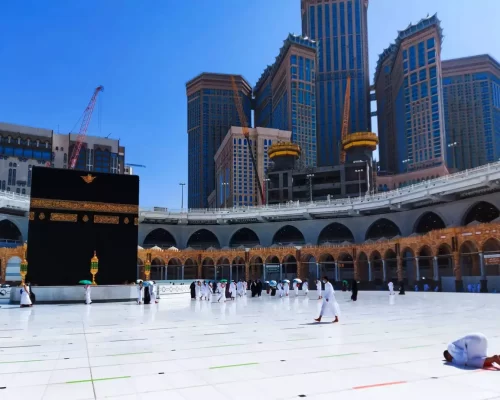
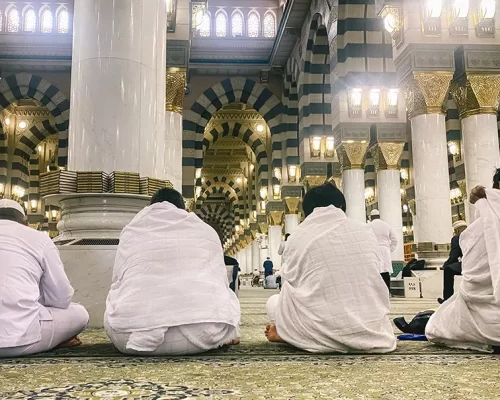
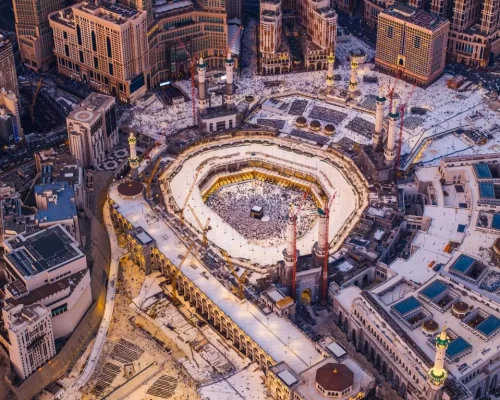
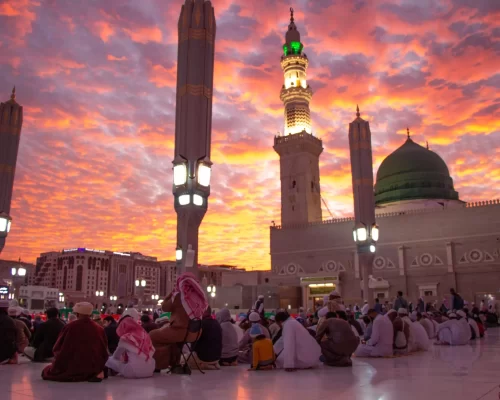


Hajj is an annual Islamic pilgrimage to Makkah (Mecca) in Saudi Arabia, performed during the Islamic month of Dhul Hijjah (8th–13th). It commemorates the devotion and sacrifices of Prophet Ibrahim (AS), Prophet Ismail (AS), and Bibi Hajra (RA).
Before starting, pilgrims must intend one of the following:
Hajj Tamattu (Most common for first-time pilgrims)
– Umrah first, then Hajj
Hajj Qiran
– Umrah and Hajj together
Hajj Ifrad
– Hajj only
Tip: Most first-time pilgrims perform Hajj Tamattu as it is easier and widely recommended.
Ihram is a sacred state of purity and intention.
Perform ghusl (full body wash)
Wear Ihram:
Men: Two unstitched white cloths
Women: Modest regular clothing (no specific colour)
Make niyyah (intention) for Hajj
Recite Talbiyah:
“Labbayk Allahumma Labbayk…”
No cutting hair or nails
No perfume
No marital relations
No arguing or fighting
Once in Makkah, perform Umrah.
Tawaf – Circle the Kaaba 7 times
Sa’i – Walk between Safa and Marwah (7 rounds)
Halq or Qasr
Men: Shave or trim hair
Women: Trim a small portion
You now exit Ihram and wait for Hajj days.
Re-enter Ihram for Hajj
Travel to Mina
Pray Dhuhr, Asr, Maghrib, Isha, and Fajr
Stay overnight in tents
This day is about preparation and reflection.
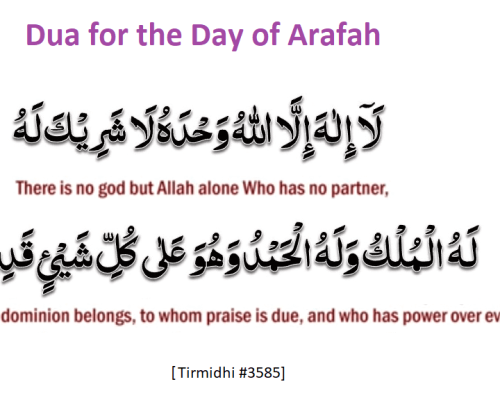
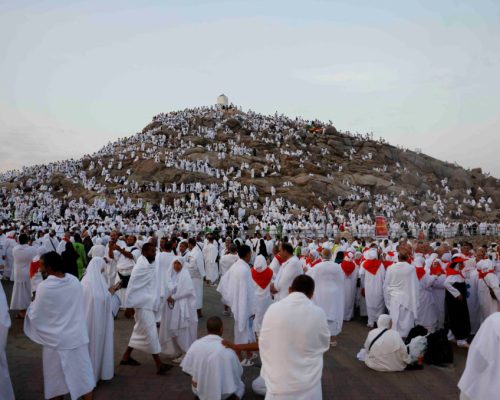
Travel from Mina to Arafat
Stay from Dhuhr to sunset
Make dua, repentance, and supplication
Key Point:
Hajj is invalid without standing at Arafat.
This is the most spiritually powerful moment of Hajj.
After sunset, travel to Muzdalifah
Pray Maghrib and Isha together
Collect 49 or 70 pebbles for stoning
Sleep under the open sky
This is the busiest day of Hajj.
Rami – Stone the largest Jamarah (Jamrat al-Aqabah)
Qurbani – Animal sacrifice (usually arranged by Hajj authorities)
Halq or Qasr – Shave or trim hair
Change out of Ihram
Tawaf al-Ifadah in Makkah
Sa’i (if required)
Stay in Mina
Stone all three Jamarat each day
Perform daily prayers and dua
Some pilgrims may stay an extra day (13th Dhul Hijjah), which is optional.
Before leaving Makkah:
Perform 7 rounds of Tawaf
This marks the completion of Hajj
Missing Arafat stay
Breaking Ihram rules unknowingly
Performing rituals in the wrong order
Lack of patience in crowds
Forgetting intentions (niyyah)
Memorise basic duas
Stay hydrated and rest often
Follow your group leader
Keep footwear with you at all times
Be patient — Hajj tests character as much as faith
Hajj is not just a journey of movement, but a journey of the heart. Performed with sincerity, humility, and correct knowledge, it cleanses sins and renews faith.
“And proclaim to the people the Hajj…”
(Qur’an 22:27)
May Allah accept your Hajj and grant you a Hajj Mabroor 🤍